
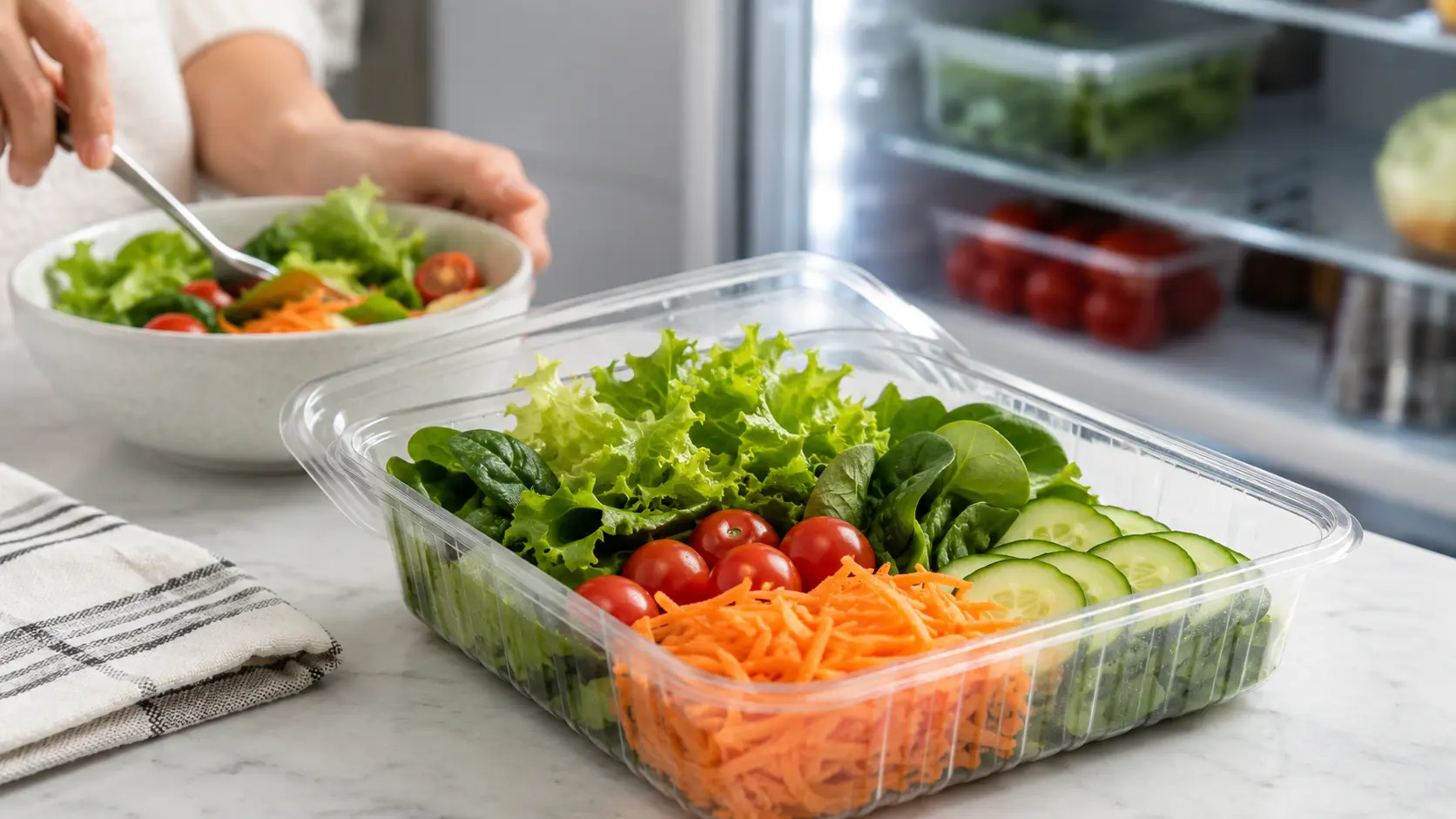
Ready-to-eat vegetables can be safe to eat every day when they come from a reliable source, stay chilled, and are handled with clean equipment from preparation to serving. The main risk does not come from eating vegetables frequently. It comes from poor washing, cross-contamination, damaged packaging, and incorrect storage. Choosing quality products and following food safety habits can make fresh vegetables a practical part of a healthy routine.
Many people want to eat more vegetables but struggle with the time needed to shop, wash, peel, cut, and prepare them. Ready-to-eat vegetables solve this problem by offering fresh produce that is already cleaned and portioned. They make it easier to build salads, side dishes, lunch bowls, and healthy snacks without starting from raw ingredients every day. This convenience can support better eating habits for busy professionals, families, and people who rely on meal prep.
Convenience also creates questions about safety. Fresh vegetables are usually eaten raw, so they do not receive the heat treatment that can reduce harmful microorganisms. Their safety depends on every step before they reach the plate. Clean water, sanitized tools, careful handling, cold storage, sealed packaging, and reliable delivery all matter. A product may look fresh while still being unsafe if exposed to dirty surfaces or left at room temperature too long.
Packaging gives clues. The container should be clean, properly sealed, and free from excess liquid. Leaves should look crisp, not slimy, brown, or unusually soft. Cut vegetables should have a smell and natural color. A swollen package, broken seal, unpleasant odor, or cloudy liquid may indicate spoilage. Checking the use-by date is important, but visual and sensory signs help consumers judge product quality.
Temperature control is just as important as appearance. Ready-to-eat vegetables should remain refrigerated during storage and transport. Once delivered, they should go into the refrigerator as soon as possible. Leaving a salad or fresh-cut produce in a warm car, office, or kitchen for too long can reduce quality and increase food safety risk. The refrigerator should also be clean and cold enough to protect perishable foods.
Consumers often ask whether they should wash packaged vegetables again. The answer depends on the label. Products marked washed, triple-washed, or ready to eat are usually intended for direct consumption. Washing them again can create new contamination if the sink, hands, bowl, or utensils are not clean. Products without a ready-to-eat label should be rinsed under clean running water before use. Soap, detergent, and household cleaners should never be used on produce.
Daily consumption also requires nutritional balance. Vegetables provide fiber, vitamins, minerals, and plant compounds, but a bowl of leaves alone may not form a complete meal. A satisfying salad usually includes protein, a sensible portion of whole grains or another carbohydrate, and healthy fats. Eggs, chicken, tofu, beans, seeds, avocado, and balanced dressings can turn fresh vegetables into a more complete meal.
People with weakened immune systems, older adults, pregnant women, and those managing certain medical conditions should take extra care with raw foods. They may need advice from a healthcare professional about whether raw or lightly prepared vegetables suit their needs. Everyone else can reduce risk by choosing trusted suppliers, checking packaging, maintaining refrigeration, and using clean utensils.
Green Groceries supports this routine by making high-quality vegetables, fresh fruit, ready-to-eat produce, and healthy meal prep more accessible. The value is not only convenience. It is the consistency of receiving clean, fresh, carefully handled ingredients that fit into everyday meals. When quality sourcing, hygienic preparation, proper storage, and balanced nutrition work together, ready-to-eat vegetables can become a safe and dependable choice for daily eating.


